
agency client onboarding automation
How Marketing Agencies Are Automating Client Onboarding Without Replacing Their Existing Tools
Most agency onboarding automation does not require switching software. It requires connecting what you already use and removing the manual setup steps in between.
Published 2026-05-20
Updated 2026-07-20
6 min read
Onboarding automation works with your existing tools
The most common misconception is that automating onboarding means replacing HubSpot, ClickUp, or Slack. It does not. These platforms already store your accounts, tasks, and communication. Automation connects them to the setup and routing logic that currently lives in an account manager's head.
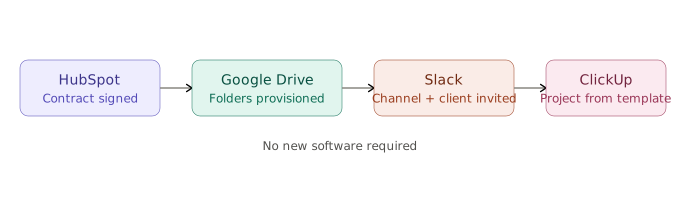
No new software required.
Define your project templates before you automate
Automation follows rules. Before building anything, map out your standard onboarding deliverables: by campaign type (SEO, PPC, Social), by budget size, or by team assignment. The clearer those rules are, the more reliable the automated setup.
Most agencies already have custom Google Docs or ClickUp templates. The automation work is making those template creations explicit and instant.
Build the exception path first
Onboarding automation will encounter edge cases: a custom campaign setup, an external client refusing to join Slack, or missing intake fields. These should route to a human reviewer, not silently fail.
When exception handling is visible and fast, account managers trust the system and can focus on launching great campaigns instead of executing repetitive file creation manually.
Turn the article into a working system.
Browse use cases or review the core workflow automation service page.